 1200
627
1200
627
Short-Run Confectionery Packaging Without Plate Costs
Written by
Matt Lawson
OKI shop, The OKI Pro Series printer experts 310
310
310
310
Read it in 5 minutes
Confectionery has a packaging problem that bigger food categories do not. The product changes constantly, the peaks are seasonal, the runs are short, and the packaging is half the reason anyone buys a box of fudge in the first place.
Conventional packaging printing is built for the opposite conditions: one design, printed in volume, amortising a plate cost across a run. This post is about the alternative.
What does printing without plate costs mean?
Conventional packaging print processes carry a fixed origination cost per design, because plates have to be made before anything prints. That cost only becomes tolerable spread across thousands of units, which is why minimum orders exist and why every new design multiplies the bill.
Digital printing has no plates. The cost of a packaging run is the media plus the toner, whether you print twenty sleeves or two thousand, and a new design costs nothing but the artwork file.
For a small confectionery maker, that single difference changes what is worth producing.
What confectionery packaging can you print in-house?
On an SRA3 colour toner machine, most of what sits on an artisan confectionery shelf:
- Pack sleeves for boxes, bars and trays
- Belly bands for boxes and pouches
- Self-adhesive product labels, including ingredient and allergen labels
- Swing tags for gift packaging
- Backing cards and header cards for bagged sweets
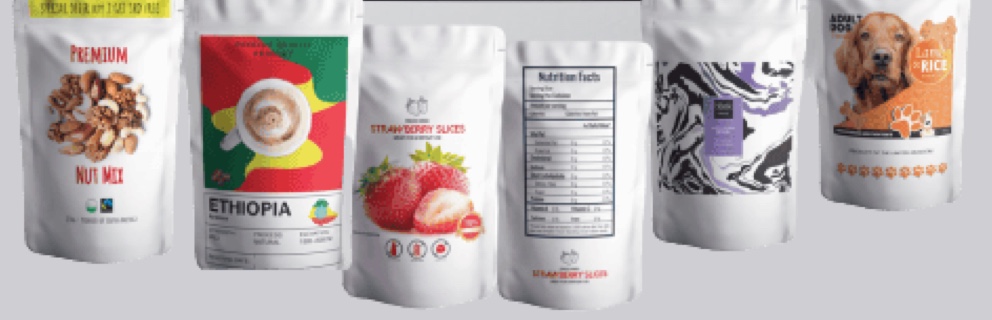
- Printed stand-up pouches, on pouch media made to run through the printer
- Gift wrap sheets, box liners and matching point of sale
The structural packaging, meaning the box or tray itself, usually stays bought-in plain and cheap. What you print is everything that carries the brand, which is the part that used to carry the plate costs.
Why does short-run matter so much in confectionery?
Because the category lives on occasions and novelty. Christmas, Easter, Valentine’s and Mother’s Day each want their own packaging for a window of weeks. Flavours rotate. Limited editions exist to be limited.
With plate-based printing, every one of those is a separate origination cost and a separate minimum, so small makers either flatten their range into one generic design or carry boxes of dated seasonal packaging into the loft each January.
Printed in-house, a seasonal sleeve is a file. You print what the season sells, and when it ends you stop, with nothing written off.
What does it open up commercially?
- Personalisation. Wedding favours, corporate gifts and named boxes become printable jobs rather than polite refusals, and they are the highest-margin work in the category.
- Trade and own-brand runs. A farm shop or hamper company wanting your fudge under their brand is a short print run away.
- Testing. A new flavour can launch in a weekend’s worth of packaging, and the sales decide whether it earns a permanent sleeve.
- Ingredient and allergen changes. A recipe change means new artwork, not a skip full of obsolete sleeves. For the labelling side of that, see food label printing in-house.
What about kraft packaging?
Kraft is the default look of artisan confectionery, and it is where standard four-colour printing quietly fails. On a four-colour machine white is the absence of toner, so on brown board every pale element of your design prints as brown.
The answer is a fifth toner station carrying white, which lays a white base under the colour so the design reads as intended on kraft, coloured or clear media. If your brand lives on brown board, this is the deciding specification, and it is the one you cannot add to a machine later.
Is the packaging food safe?
Treat food contact as a property of the media, not of the printer. Sleeves, bands and tags that do not touch the product directly are straightforward. Anything in direct contact with unwrapped confectionery needs media specified for food contact, so confirm the stock against your product before committing. We will tell you plainly which media suit which use.
What equipment does this take?
One machine. An OKI Pro Series printer handles the card weights for sleeves and tags, the label stock, and the pouch media, and the five-colour models add the white toner that kraft packaging needs.
The full machine decision, including which model fits which range, is covered in choosing a printer for food and confectionery packaging. Alongside it you want a guillotine for trimming sleeves and bands, and that is genuinely the extent of the equipment list.
Where should you start?
Lay out one of everything your packaging currently includes, plus the seasonal and personalised items you have turned down or gone without. Price what that list costs you per year through a trade printer, including the stock you wrote off.
Then send us your artwork. We will print it as a sleeve or band on the media it would really use, so you judge a finished sample rather than a promise. Call us on 01903 692222 or get in touch.